


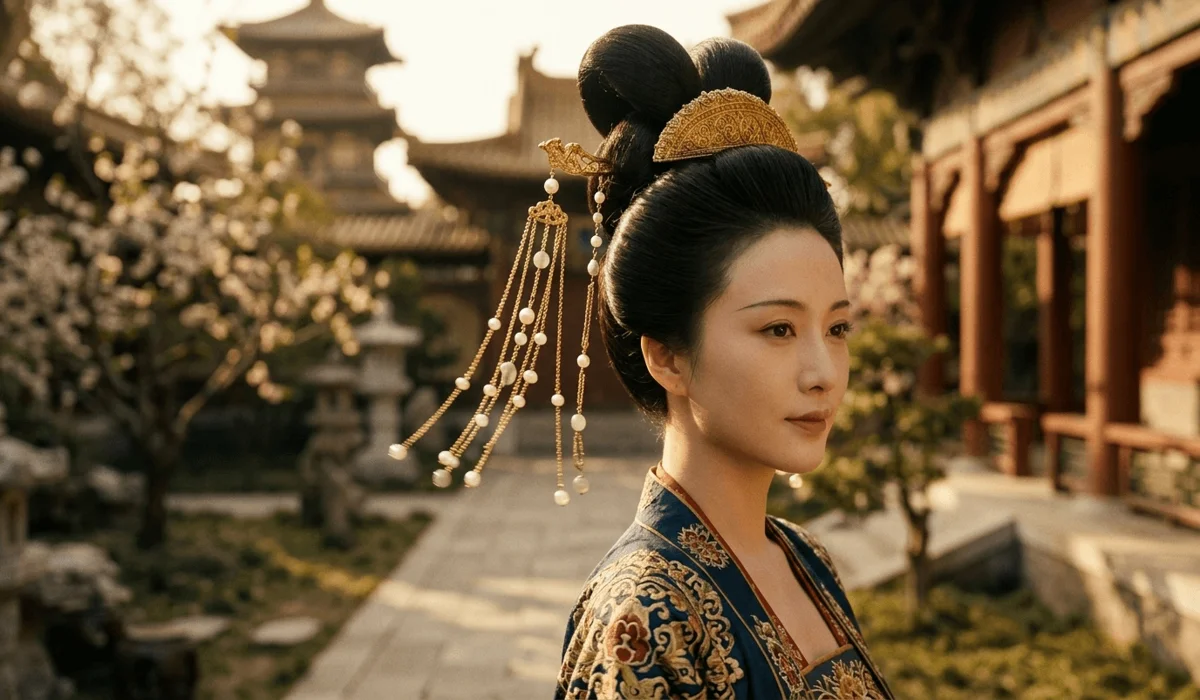
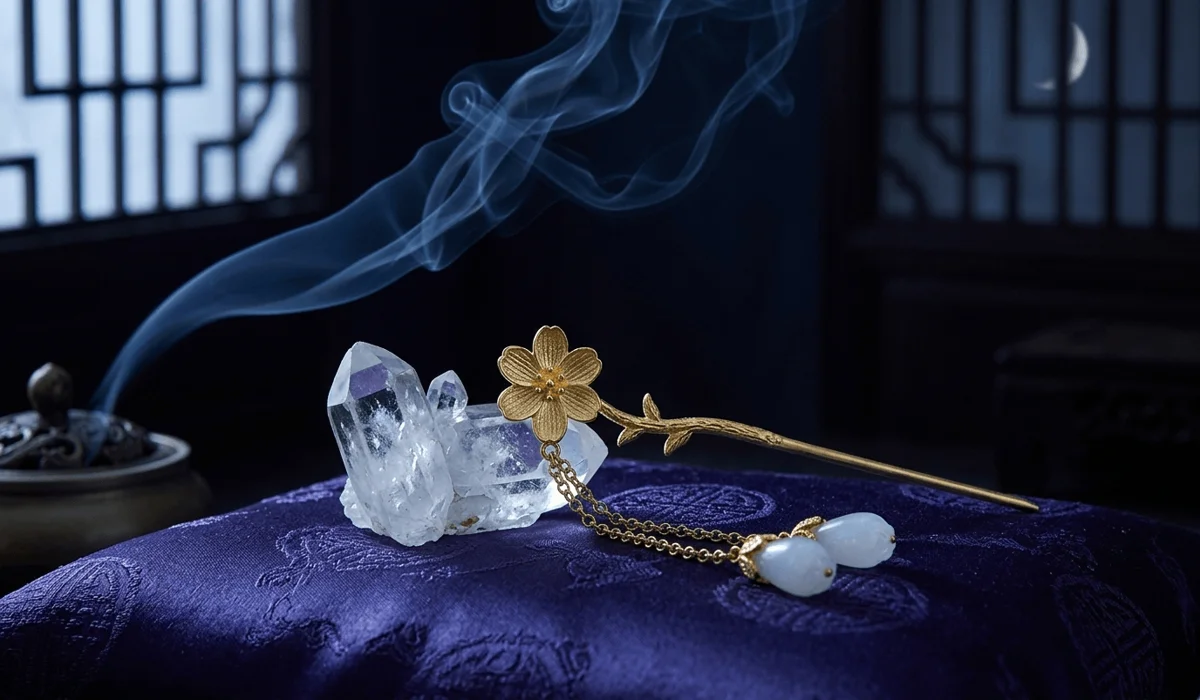
A Buyao is a traditional Chinese dangling hairpin designed to sway beautifully as the wearer moves. We often see these elegant pieces in historical dramas or at cultural festivals today. These hairpins represent a blend of high-status jewelry and ancient social rules that valued grace and poise. By wearing a piece that “shakes with each step,” women in ancient China showed their refined nature and calm spirit. In this guide, we will explore the deep history and spiritual meaning behind these rhythmic ornaments.
- Buyao means “step-shake,” referring to how the hairpins move rhythmically during walking.
- These accessories were once exclusive to royal families and high-ranking noblewomen in ancient dynasties.
- They serve as a tool for etiquette, teaching the wearer to walk with a steady and balanced gait.
- Materials like gold, jade, and pearls are common, symbolizing wealth and spiritual purity.
- Modern spiritual practices use Buyao to focus on mindfulness and crown chakra alignment.
What Is the Meaning of Buyao (Dangling Hairpins) in Chinese Culture?
Definition and Literal Translation
The word Buyao (步摇) translates literally to “shake as you walk” or “step-shake.” This name perfectly describes the unique feature of these hairpins: dangling pendants or tassels that react to every movement. Unlike static hair sticks, the Buyao is designed to be alive and active. It is considered a pinnacle of feminine grace because it highlights the wearer’s dignified posture. If a woman walks too fast or unevenly, the tassels will clash loudly, which was seen as unrefined.
History of Step-Shake Hairpins in Ancient Dynasties
The history of these ornaments is very long, dating back to the Warring States Period. Early poems from the State of Chu mention beautiful hair accessories that swayed with the wearer. During the Han Dynasty, the Buyao became a formalized part of the imperial dress code. It was often part of an elaborate crown worn by the Empress. As time passed, the design evolved through the Tang and Song dynasties. It moved from being a symbol of royal power to a favorite accessory for upper-class ladies. According to historical records at Chinese Astrology Insights, these styles were also influenced by nomadic tribes who brought gold and “flower” motifs into central China.
Materials and Craftsmanship
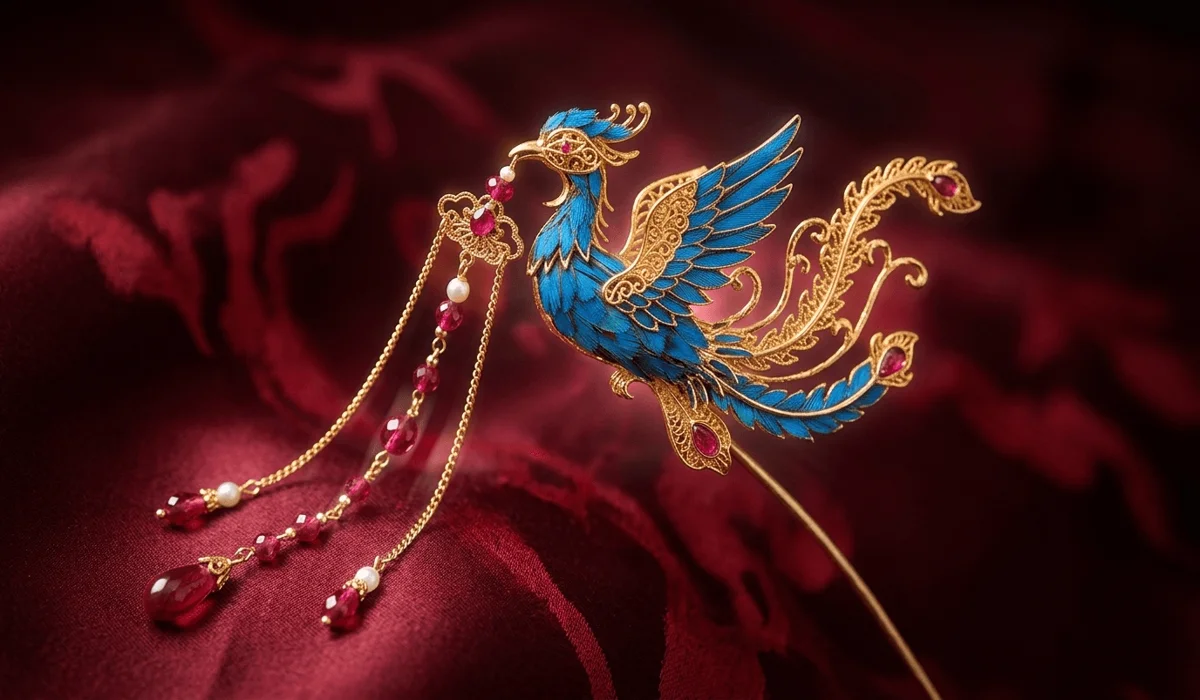
Crafting a Buyao required incredible skill and expensive materials. We often see historical pieces made of pure gold, silver, and high-quality jade. Many of these hairpins used the “diancui” (点翠) technique, which involves applying bright blue kingfisher feathers to gold. These materials were not just for show; they represented a person’s rank and moral character. Gold stood for earthly wealth, while jade stood for spiritual purity. Artisans used fine metal rings or silk threads to hang pearls and beads. This ensured the ornaments moved freely with even the slightest breeze or step.
Video source:YouTube
Author:Amimisu
Original video link:https://www.youtube.com/watch?v=ONoff32QtUg
Spiritual Meaning & Symbolism
Traditional Symbolism and Cultural Heritage
The Buyao is a deep symbol of what ancient people called “Inner Virtue.” Because the ornaments are so sensitive to movement, the wearer must remain calm and steady. A woman who mastered the Buyao was seen as someone with great self-discipline and a peaceful heart. Common designs often feature the phoenix or dragon. These mythical creatures represent high rank, prosperity, and divine protection. In Chinese philosophy, the Buyao perfectly shows the idea of “movement within stillness.” The pin is still, but the dangling parts are always in motion.
Connection to Feminine Grace and Etiquette
In the royal courts of ancient China, the Buyao was more than jewelry; it was a teacher. It acted as a tool for self-cultivation. If the dangling beads made a chaotic noise, it meant the woman was in too much of a hurry. This helped noblewomen practice a balanced and rhythmic posture. We believe this connection to etiquette is why the Buyao remains so respected. It teaches us that true beauty comes from how we carry ourselves. Many collectors of Traditional Hair Accessories appreciate this link between fashion and behavior.
Chakra and Energy Alignment
In modern spiritual circles, we see the Buyao as a tool for energy work. Since it is worn on the head, it sits near the Crown and Third Eye chakras. The gentle sound of the swaying beads can act as a focal point for meditation. This helps clear the mind of mental “noise.” When the tassels are made of specific stones, they bring extra benefits. For example, jade tassels can align with heart energy to promote peace. You can find out more about how stones affect energy by checking Healing Crystal Meanings.
Benefits & Intentions Associated with Buyao
Commonly Associated Intentions
Many of our clients use the Buyao to set specific daily intentions. These include:
- 🌿 Cultivating patience and mindfulness in daily tasks.
- 💎 Setting goals for graceful and clear communication with others.
- 🔮 Honoring ancestral roots and cultural history.
- ✨ Practicing poise during stressful social situations.
By focusing on the rhythmic movement, the wearer stays present in the moment. It is a beautiful way to turn a piece of jewelry into a spiritual anchor. For those following their Chinese animal signs, certain designs can also help balance personal luck. You can learn about your sign in Zodiac Animal Guide.
Mindfulness and Personal Practices
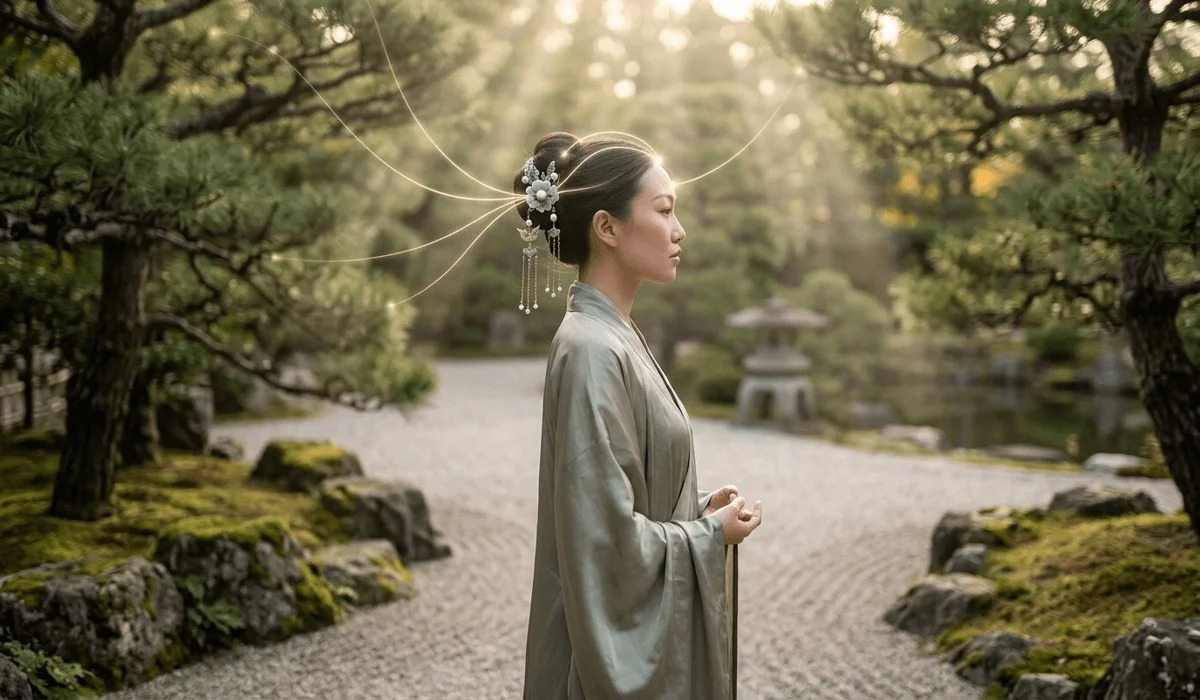
The Buyao is perfect for “walking meditation.” As you walk, you listen to the faint, pleasing chime of the jewelry. The goal is to walk so smoothly that the sound is like a gentle whisper rather than a loud rattle. This practice helps ground your energy into the earth. It makes you aware of every step you take. Using pins made from natural wood or jade further strengthens this connection to the earth element.
How to Wear Buyao (Dangling Hairpins)
Placement and Feng Shui Logic
In Feng Shui, the way you wear your jewelry matters. Historically, a Buyao was often worn on the right side. This represents the “White Tiger” or active energy. Some women wear them on both sides to achieve perfect balance between Yin and Yang. Placing the pin higher on the head is symbolic of “reaching for the heavens.” This was a common practice for imperial consorts. When you choose a Buyao, make sure it feels secure. It should not feel heavy or pull on your hair, as this blocks the natural flow of energy.
Occasions and Etiquette
In the past, these hairpins were reserved for big events like weddings or ancestral ceremonies. Today, many people pair them with Hanfu (traditional clothing) for cultural festivals. Even in modern daily life, a simple Buyao can be a statement of elegance. The sound of the dangling ornaments is also a polite signal. In tradition, it let others know that a lady was approaching. This allowed people to prepare themselves and show proper respect.
| Hairpin Type | Prongs | Main Feature | Movement |
|---|---|---|---|
| Zan (簪) | Single | Secures hair buns | Static |
| Chai (钗) | Double | Stronger hold | Static |
| Buyao (步摇) | Single or Double | Dangling ornaments | Dangling/Swaying |
Buyao vs Similar Traditional Ornaments
Buyao vs Zan and Chai
It is easy to confuse different types of Chinese hairpins. A Zan (簪) is a simple, single-pronged stick used to hold hair in place. A Chai (钗) has two prongs and is much better for heavy hairstyles. The Buyao is different because its main purpose is decoration and movement. While a Zan or Chai can be the “base” of a Buyao, it is the dangling part that gives it the name. To ensure the quality of materials like jade in these pins, many look to the Gemological Research Institute for standards on authenticity.
Buyao vs Tassels (Liu Su)
Tassels, or Liu Su (流苏), are often found on many Chinese items. You might see them on fans, clothing, or even lanterns. A Buyao often uses tassels as its dangling element, but they are not the same thing. The Buyao is specifically a hair ornament. Also, Buyao designs often include rigid metal “branches” that hold the gems. Standalone tassels are usually made of soft silk threads. The Buyao is a more complex piece of jewelry that combines metalwork with the flow of tassels.
How to Cleanse, Charge, and Care for Buyao
Cleansing Methods
Because these hairpins are intricate, they need gentle care. We suggest using a soft, dry cloth to wipe away dust. If the piece has jade or gold, avoid using harsh chemicals. A traditional way to clear energy is to “smudge” the ornament with sandalwood incense. Simply let the smoke pass over the dangling parts. This clears any stagnant energy from the day. Be careful with water, especially if the piece has porous stones or delicate metalwork.
Charging Practices
To keep the energy of your Buyao strong, you can charge it under the moon. Placing it under the light of a full moon is a classic way to boost “Yin” or feminine energy. This is especially good for jade or silver pieces. You can also rest the hairpin near a clear quartz cluster. This helps maintain the vibrational clarity of the jewelry. Many people keep their Buyao on a dedicated altar to preserve its intentional power. For more on spiritual timing, you can check Celestial Energy Cycles.
Frequently Asked Questions
Q: What does the term ‘Bu Yao’ literally translate to?
A: It literally translates to “step-shake” or “shake as you walk.” It refers to the way the jewelry moves in harmony with the wearer’s movements. The name highlights the auditory and visual beauty of the swaying ornaments.
Q: How did the Bu Yao reflect a woman’s status in ancient China?
A: In the Han Dynasty, it was a restricted accessory for the Empress and noblewomen. The materials used, such as gold and high-quality jade, indicated the wealth and rank of the wearer. Higher-ranking women wore more complex designs, such as the “buyao crown” featuring phoenix and dragon motifs.
Q: What is the difference between a Zan, a Chai, and a Bu Yao?
A: A Zan is a single-pronged pin used mainly to secure hair. A Chai is a double-pronged pin that provides a more secure hold for heavy hairstyles. A Bu Yao is a decorative hairpin characterized by dangling ornaments that sway when moving.
Q: Why is the rhythmic sound of a hairpin significant in Chinese culture?
A: It serves as a musical reminder of the wearer’s presence and refinement. The sound reflects the wearer’s inner discipline; a chaotic sound indicated a lack of grace. It is traditionally viewed as a pleasant jingle that brings life to a hairstyle.
Q: In which dynasty did the Bu Yao first appear?
A: References to Bu-yao-like ornaments appear as early as the Warring States Period. It became a formalized part of the imperial dress code during the Han Dynasty. It reached its peak of popularity during the Tang Dynasty.
Conclusion & Gentle Next Step
The Buyao is a beautiful link to the past that still holds value today. It teaches us about the importance of grace, mindfulness, and cultural heritage. Whether you wear one to a festival or use it as a meditation tool, it reminds us to move through life with intention. By understanding its history, we can appreciate the “step-shake” as a dance of the spirit. We invite you to find your own piece of history and carry that elegance with you every day.
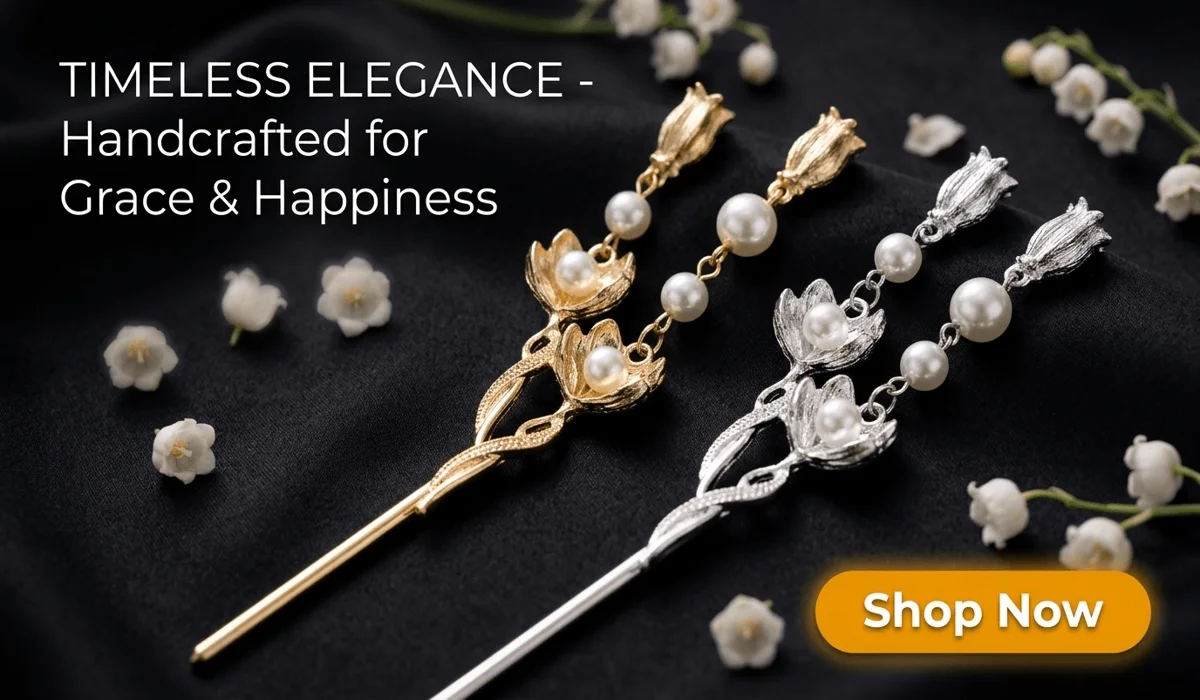
Ready to add a touch of ancient grace to your life? We invite you to explore our curated selection of Buyao designs to find a piece that resonates with your personal journey. Embrace the rhythm of your own steps today!
This content is for informational and cultural exchange purposes only. It does not constitute medical, legal, financial, or other professional advice. Readers should consult with qualified professionals if they have specific concerns regarding health or spiritual practices.

Written by the Buddha Bodhis Team
Since 2020, we have been devoted to exploring traditional year-based wisdom, classical Feng Shui principles, and the rich spiritual symbolism rooted in Eastern cultural heritage. Our work bridges ancient metaphysical systems with modern life, interpreting annual cycles, elemental energies, and symbolic meanings to offer thoughtful insight and practical guidance. Through continuous research and practice, we aim to preserve traditional knowledge while making it accessible, relevant, and meaningful for contemporary seekers of balance, intention, and personal growth.
TikTok | YouTube | Pinterest | X
buddhabodhis@gmail.com